
US-China Tariff Changes 2026: What Textile and Apparel Businesses Need to Know
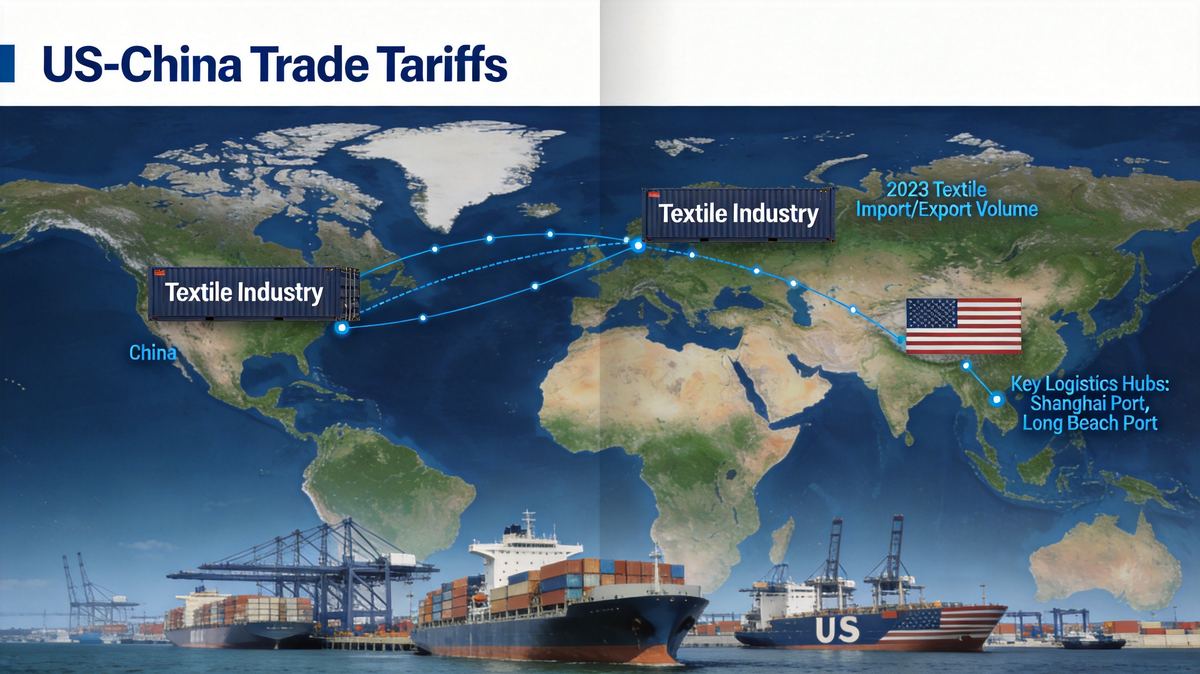
The US-China trade relationship has entered a new phase in 2026, with significant implications for the global textile and apparel industry. After years of escalating tariffs that pushed rates to 45-55% on many textile categories, recent developments signal a potential easing of trade tensions. Understanding these changes is critical for brands, manufacturers, and importers navigating the complex landscape of cross-border textile trade.
The 2026 Tariff Landscape
The Path to 45-55% Tariffs
Between 2018 and 2025, successive rounds of Section 301 tariffs escalated the cost of importing Chinese-made textiles into the United States. By early 2026, most textile and apparel categories faced cumulative tariffs of 45-55%, including the base rate, Section 301 tariffs, and additional safeguard measures.
The May 2026 Breakthrough
In May 2026, US-China trade negotiations achieved a breakthrough. The US Trade Representative's office formally initiated a tariff reduction process, proposing to lower rates on Chinese textile and apparel products from the 45-55% range to approximately 20%. China simultaneously reduced tariffs on US cotton imports, creating a more balanced trade environment.
Supply Chain Implications
Nearshoring vs. China Sourcing
The tariff uncertainty of recent years accelerated nearshoring trends, with many brands shifting production to Vietnam, Bangladesh, India, and Mexico. However, the 2026 tariff reductions are prompting a reassessment:
Diversification Strategies
Prudent brands are adopting a "China Plus One" strategy, maintaining Chinese production for core items while developing secondary sources. This approach balances:
Regional Trade Dynamics
US Tariffs on 60 Economies
In June 2026, the US announced additional tariffs of 10-12.5% on imports from 60 economies, including major textile exporters like Vietnam, Bangladesh, and India. This development partially offsets China's disadvantage, as competing nations face new tariff burdens while China's rates decrease.
Market-Specific Strategies
| Region | Pre-2026 Tariff | 2026 Tariff | Impact |
|--------|----------------|-------------|--------|
| China (textiles) | 45-55% | ~20% | Significant improvement |
| Vietnam | 0-15% | 10-12.5% new | Moderate headwind |
| Bangladesh | 0-17% | 10-12.5% new | New challenge |
| Mexico (USMCA) | 0% | 0% | Advantage maintained |
Strategic Recommendations for Brands
Short-term Actions (0-6 months)
Medium-term Strategy (6-18 months)
Conclusion
The 2026 US-China tariff adjustments represent a significant shift in the global textile trade landscape. While tariffs remain elevated compared to pre-2018 levels, the reduction from 45-55% to approximately 20% meaningfully improves the competitiveness of Chinese textile manufacturing. Brands that strategically balance their sourcing portfolios across China and alternative markets will be best positioned to optimize costs, manage risk, and maintain quality in this evolving trade environment.
Comments (0)
Be the first to leave a comment!