
Fabric GSM and Weight: The Professional Guide for Apparel Sourcing Decisions
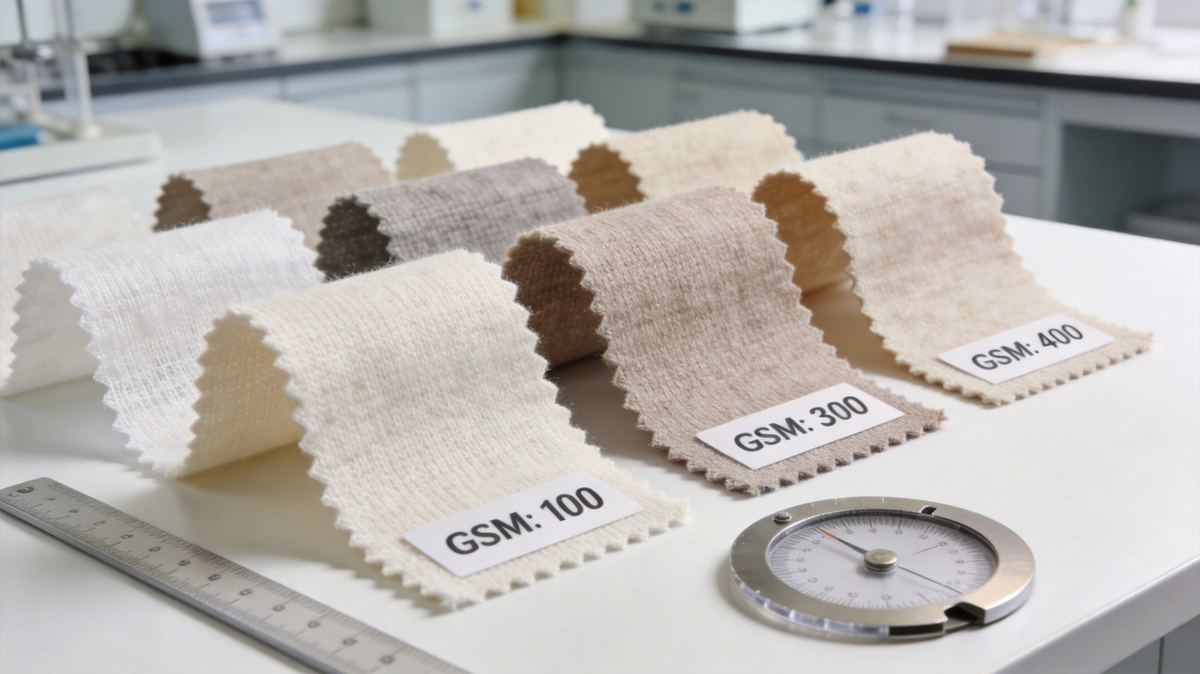
Fabric weight, measured in GSM (grams per square meter), is one of the most fundamental yet frequently misunderstood specifications in apparel sourcing. It affects everything from drape and durability to cost and comfort. This professional guide provides a comprehensive framework for understanding and leveraging fabric GSM in sourcing decisions.
Understanding GSM and Fabric Weight Units
What is GSM?
GSM (grams per square meter) is the international standard for expressing fabric weight. It provides a consistent metric regardless of fabric width, making it the preferred unit for global textile trade.
Common Weight Conversions
| Unit | Measurement | Typical Use |
|------|-------------|-------------|
| GSM | g/m2 | International standard |
| oz/yd2 | ounces per square yard | US market |
| g/m (linear) | grams per linear meter | Production planning |
**Conversion formula**: 1 oz/yd2 = 33.906 GSM
Weight Ranges by Fabric Category
| Category | GSM Range | Typical Applications |
|----------|-----------|---------------------|
| Ultralight | 30-80 | Sheer overlays, lightweight linings |
| Lightweight | 80-150 | T-shirts, underwear, summer tops |
| Medium | 150-250 | Polo shirts, dresses, lightweight hoodies |
| Medium-heavy | 250-350 | Hoodies, sweatpants, lightweight jackets |
| Heavyweight | 350-500 | Winter hoodies, joggers, outerwear |
| Ultra-heavy | 500+ | Heavy outerwear, industrial applications |
How GSM Affects Fabric Properties
Drape and Hand Feel
Fabric weight directly influences how a fabric drapes on the body:
Durability and Wear Resistance
Higher GSM generally correlates with greater durability:
Thermal Regulation
Fabric weight significantly impacts thermal comfort:
GSM and Knit Structure Interactions
Fabric weight interacts with knit structure to determine final fabric properties:
Single Jersey
The most common knit structure, single jersey GSM ranges from 100-220 for apparel:
Pique
Pique knit's textured surface makes it ideal for polo shirts:
French Terry
French terry features a looped back and smooth face:
Fleece
Brushed back fleece provides maximum warmth:
GSM Tolerances and Quality Control
Industry Standard Tolerances
Fabric weight is never perfectly uniform. Industry standard tolerances are:
Factors Affecting Weight Consistency
Testing Methods
Cost Implications of GSM
Fabric weight directly affects material cost:
Yarn Consumption
Heavier fabrics require more yarn per unit area:
Cost Optimization Strategies
Sourcing Specifications Checklist
When specifying fabric weight for sourcing, include:
Conclusion
Understanding fabric GSM is essential for making informed apparel sourcing decisions. The right fabric weight balances comfort, durability, aesthetics, and cost for each specific application. By specifying GSM precisely and understanding its interactions with knit structure, fiber type, and finishing processes, sourcing professionals can ensure consistent quality across production runs. HONGTEX provides detailed GSM specifications for all knit fabric offerings, with tight quality control tolerances to ensure consistent, predictable fabric performance.
Comments (0)
Be the first to leave a comment!