
Circular Knitting Technology Innovations 2026: Driving Efficiency and Fabric Diversity
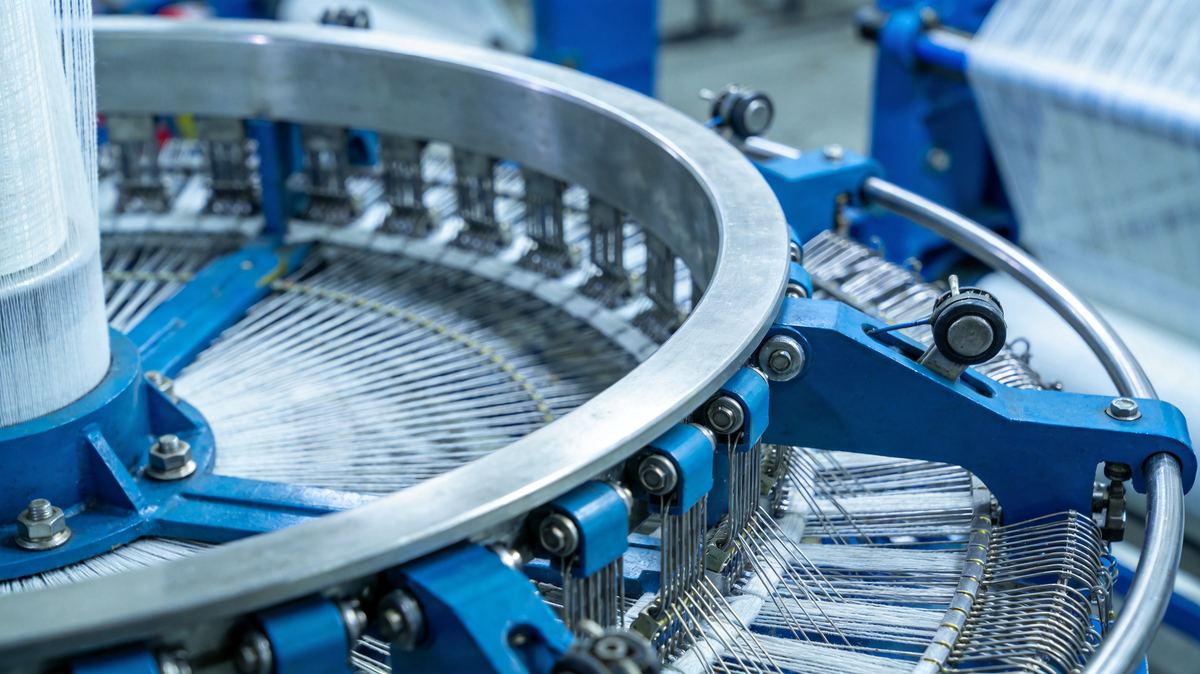
Circular knitting technology has undergone remarkable advancements in 2026, transforming what was once a purely mechanical process into a sophisticated, data-driven manufacturing system. As global demand for diverse, high-quality knit fabrics grows, machine manufacturers and textile producers are pushing the boundaries of what circular knitting can achieve. This article examines the key technological innovations reshaping the circular knitting landscape in 2026.
The Evolution of Circular Knitting Machines
Modern circular knitting machines bear little resemblance to their predecessors. Today's machines incorporate precision engineering, advanced materials, and digital intelligence to produce fabrics of unprecedented quality and variety. The key innovations driving this transformation include smart cam systems, multi-feeder configurations, and integrated IoT monitoring.
Smart Cam Systems
The cam system is the heart of any circular knitting machine, controlling needle movement and determining fabric structure. In 2026, electronically controlled cam systems have become the industry standard for high-end production:
Multi-Feeder Configurations
The number of feeders on a circular knitting machine directly impacts productivity. In 2026, leading manufacturers offer machines with 90 to 120 feeders, enabling:
IoT-Enabled Production Monitoring
The integration of Internet of Things (IoT) technology into circular knitting machines represents perhaps the most significant advancement of 2026. Modern machines are equipped with sensors that monitor every aspect of production in real time.
Real-Time Quality Metrics
IoT sensors track critical parameters including:
Production Data Analytics
The data collected by IoT sensors feeds into analytics platforms that provide:
Specialty Circular Knitting Applications
Seamless Knitwear Production
Seamless knitting technology, pioneered by companies like Santoni, has matured significantly in 2026. These machines produce complete garments without side seams, offering:
High-Performance Sportswear Fabrics
Circular knitting machines specialized for sportswear produce fabrics with engineered properties:
Sustainability Improvements
Energy Efficiency
2026's circular knitting machines consume 15-20% less energy than models from just three years ago, thanks to:
Waste Reduction
Precision control systems reduce fabric defects by up to 40%, directly reducing material waste. Additionally, real-time monitoring enables immediate intervention when quality deviations occur, preventing the production of large quantities of defective fabric.
Choosing the Right Circular Knitting Technology
For textile manufacturers and brands evaluating circular knitting partners, key considerations include:
Conclusion
Circular knitting technology in 2026 represents a convergence of mechanical precision and digital intelligence. The machines producing today's knit fabrics are not just faster versions of older equipment—they are fundamentally different systems that leverage data, sensors, and advanced engineering to deliver fabrics of exceptional quality and consistency. HONGTEX invests in the latest circular knitting technology to ensure our customers receive knit fabrics that meet the highest standards of quality, consistency, and innovation.
Comments (0)
Be the first to leave a comment!