
AI in Textile Manufacturing 2026: The Smart Factory Revolution
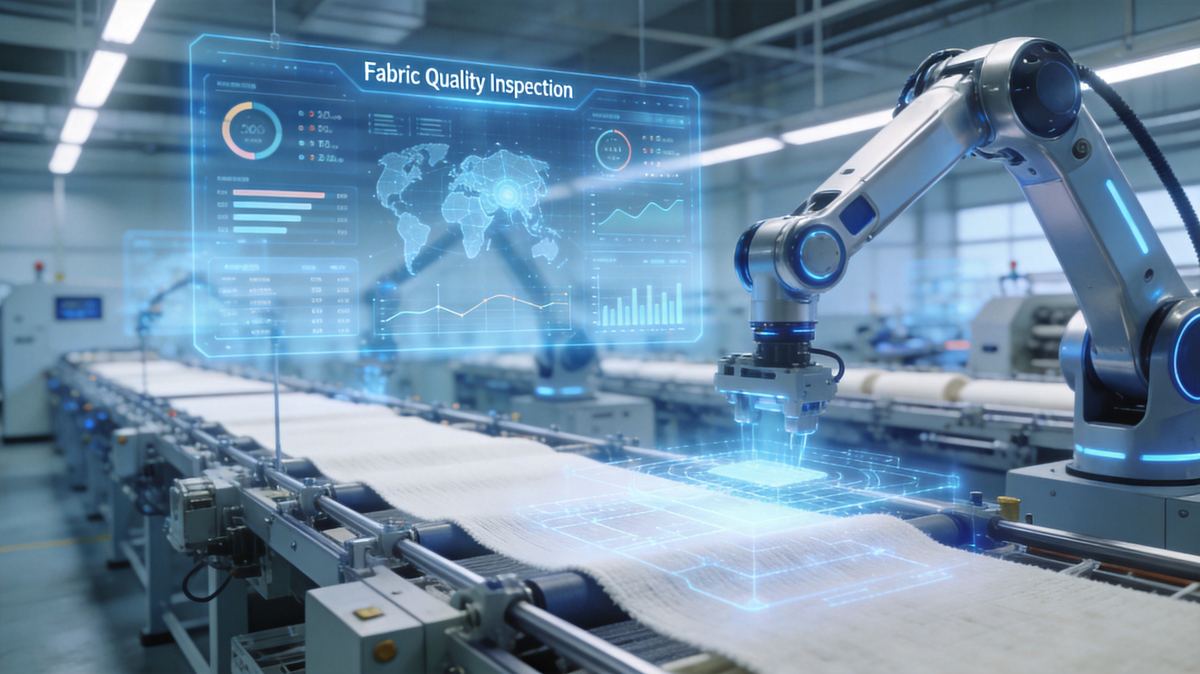
Artificial intelligence is no longer a futuristic concept in textile manufacturing—it is a operational reality reshaping every stage of production. In 2026, forward-thinking textile manufacturers are deploying AI solutions that deliver measurable improvements in quality, efficiency, and sustainability. From 2.5-second defect detection to predictive maintenance that reduces downtime by 30%, AI is proving to be an indispensable tool for modern textile production.
AI-Powered Quality Inspection
One of the most impactful applications of AI in textile manufacturing is automated visual inspection. Traditional quality control relies on human inspectors who can miss up to 30% of defects due to fatigue. AI-powered camera systems, using deep learning algorithms trained on thousands of fabric samples, can detect defects in 2.5 seconds with 99.7% accuracy.
Real-time Defect Detection
Leading manufacturers like Hengli Group have deployed AI inspection systems that identify defects including:
These systems operate at full production speed, inspecting 100% of fabric output without slowing down the manufacturing process.
Predictive Maintenance
AI-driven predictive maintenance analyzes machine vibration patterns, temperature data, and historical failure records to predict equipment failures before they occur. In 2026, textile factories using predictive maintenance report:
Smart Production Planning
AI-powered production planning systems optimize scheduling, resource allocation, and inventory management. These systems analyze order patterns, machine availability, material stock, and delivery deadlines to create optimal production schedules. The results include:
Digital Twin Technology
Digital twins—virtual replicas of physical production systems—are enabling textile manufacturers to simulate and optimize production processes without disrupting actual operations. In 2026, digital twins are being used for:
The Human-AI Collaboration
Contrary to concerns about job displacement, AI in textile manufacturing is augmenting human workers rather than replacing them. Skilled operators now work alongside AI systems, interpreting data insights and making strategic decisions. The role of the textile worker is evolving from manual operator to technology manager.
Government Support and Industry Adoption
In May 2026, China's Ministry of Industry and Information Technology convened the "AI Empowering Textile Industry Work Conference," signaling strong government support for digital transformation. The conference highlighted key priorities including:
What This Means for Brands
For brands sourcing from textile manufacturers, AI adoption signals reliability and quality:
Conclusion
AI is transforming textile manufacturing from a traditional craft into a data-driven, precision industry. As these technologies mature and become more accessible, manufacturers who embrace AI will gain significant competitive advantages in quality, efficiency, and sustainability. HONGTEX is actively integrating AI-powered quality control and smart production systems to deliver the highest quality knit fabrics to our global partners.
Comments (0)
Be the first to leave a comment!